Gattaca’s FY26 ESG Impact Report
20 Nov, 2026



Most HR leaders know the tension. Wellbeing sits high on the agenda until a deadline, a restructure or a hiring push knocks it down the list. The intention is there. The time often isn't.
That tension ran through Solent Mind's Workplace Wellbeing Roundtable, which Matchtech co-hosted in partnership with the charity earlier this month. Senior leaders from across Hampshire came together for an open and honest discussion about what it really takes to create happier, healthier workplaces.
In recognition of World Mental Health Day on 10 October, we're sharing what we heard. We don't claim to have all the answers. These are five insights worth exploring. . Explore the Solent Mind Roundtable Report
When operational pressure is high, wellbeing conversations are often the first thing to go. The leaders in the room agreed that protecting time and space for them matters most in exactly those moments.
The good news is that it doesn't take a grand programme. Small, consistent actions often have more impact than large, one-off initiatives.
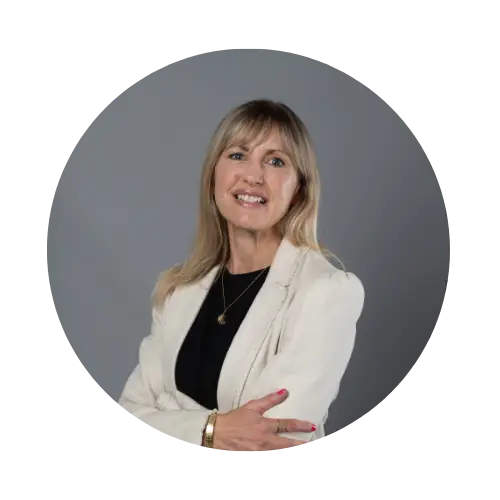
Policies give wellbeing a framework. Behaviour gives it credibility. As Lucy Pope of Matchtech put it after the evening:
"Policies clearly matter, but it is the behaviours leaders model every day that help create environments where people feel supported and able to speak openly."
The group also highlighted the impact of leaders who are willing to share their own experiences and vulnerabilities. When a senior leader speaks openly, it signals to everyone else that they can too.
Wellbeing is complex, and good intentions aren't the same as confidence. Managers sit closest to their teams, but knowing what to look for, and what to say, takes learning.
Equipping them to spot early signs, have supportive conversations and respond with confidence can make a meaningful difference. Raising awareness across the wider workforce matters too. It builds a culture of understanding and allyship, so support doesn't rest on a handful of people.
Different workforces have different needs. A strategy that works for an office-based team may miss the mark for shift workers, a remote workforce, or contractors on site.
The most effective approaches referenced involved combining formal wellbeing initiatives with activities that build connection, belonging and inclusion. Often, those activities aren't labelled "wellbeing" at all. The two work best side by side, not in competition.
Wellbeing and productivity are intrinsically interconnected and that should never be overlooked.
"People and businesses thrive where there is a culture of support, understanding and empowerment."
That's not a soft argument. It's a business one.
Workplace wellbeing matters to us, for our own people and the contractors we work with. Our partnership with Solent Mind spans expert-led wellbeing webinars for our employees and contractors, Mental Health First Aid training, colleague support services and team volunteering at Solent Mind's centres.
We're still learning, and we think the best way forward is together. As Lucy puts it:
"I truly believe that one of the greatest opportunities we have in the continuation of this ongoing journey to happier and healthier workforces is to learn from each other."
If you'd like to share your insights, or hear more about our partnership with Solent Mind;
Thank you to Solent Mind for sharing their roundtable report and providing the space and information for us to share.